

-
 Photos: ©ATTA – Atelier Tsuyoshi Tane Architects
 -
-
-
-
-
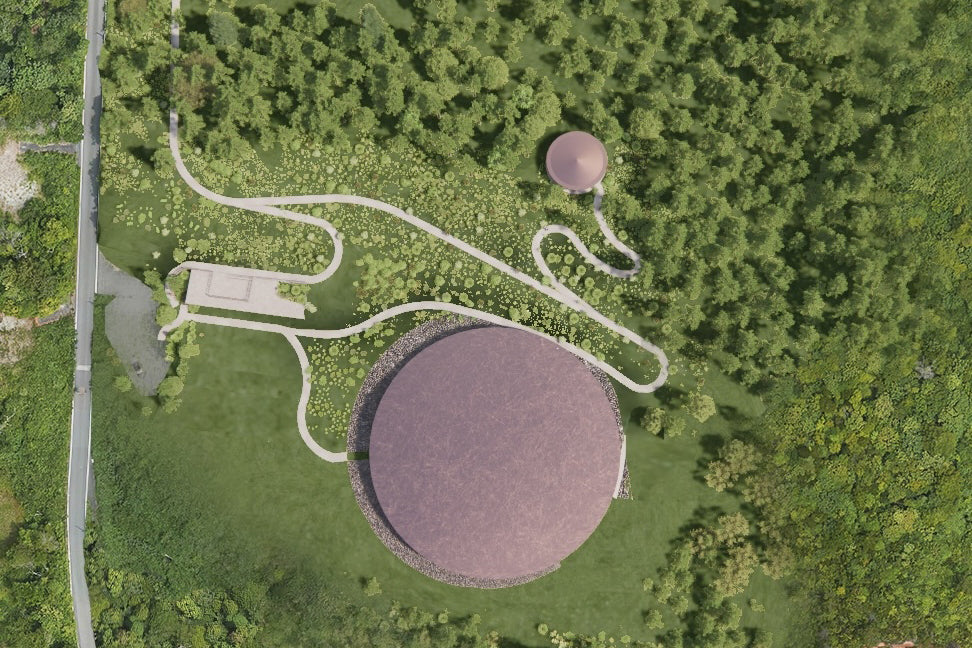
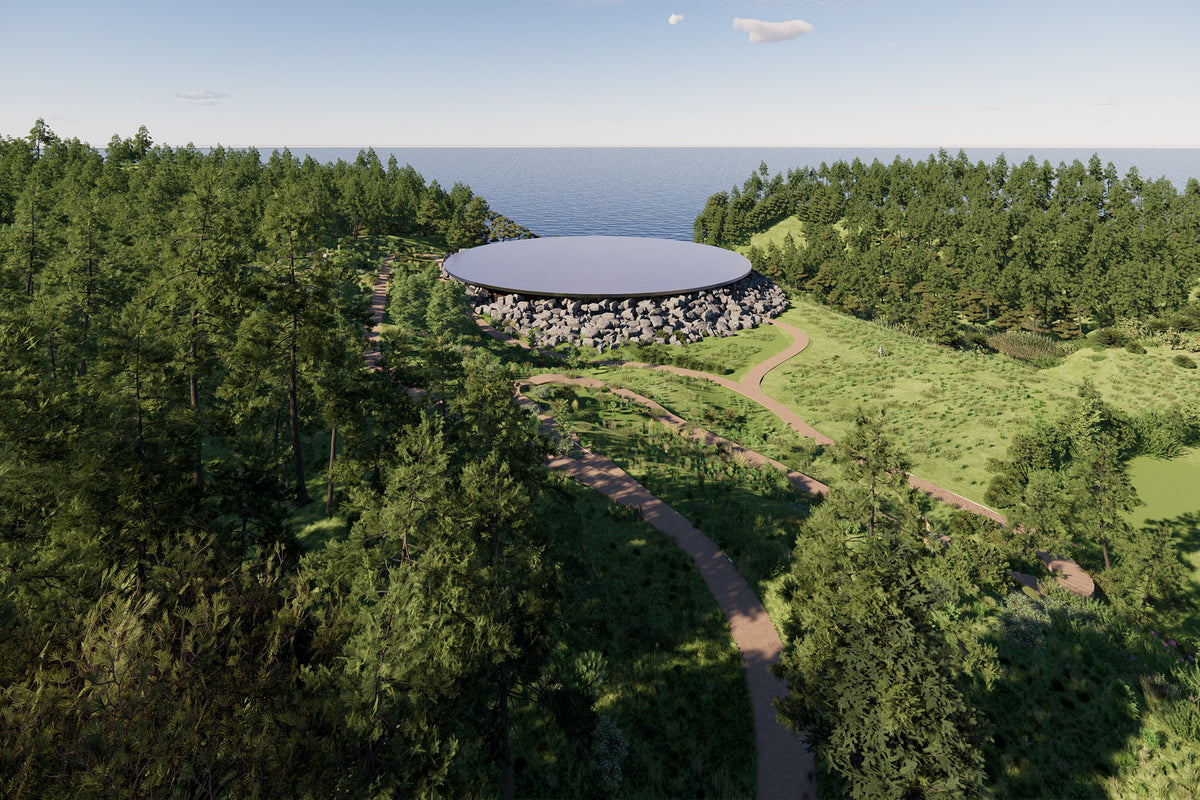
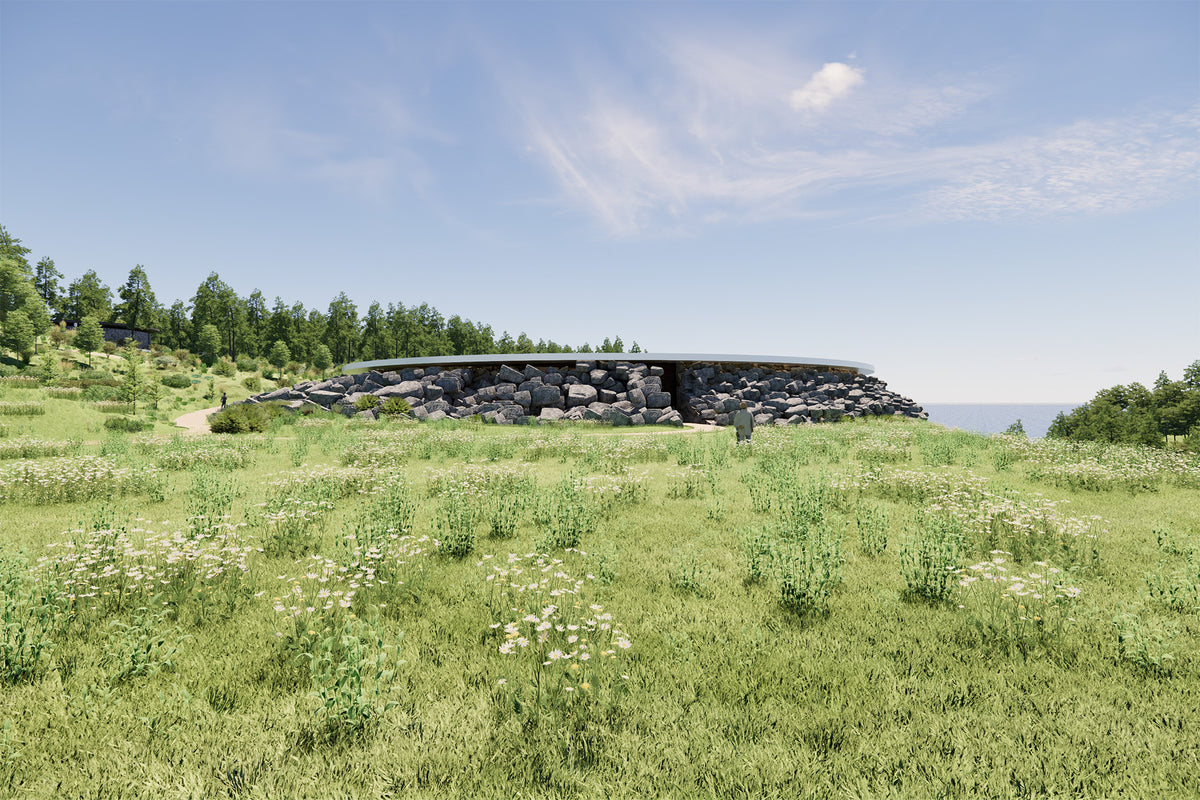
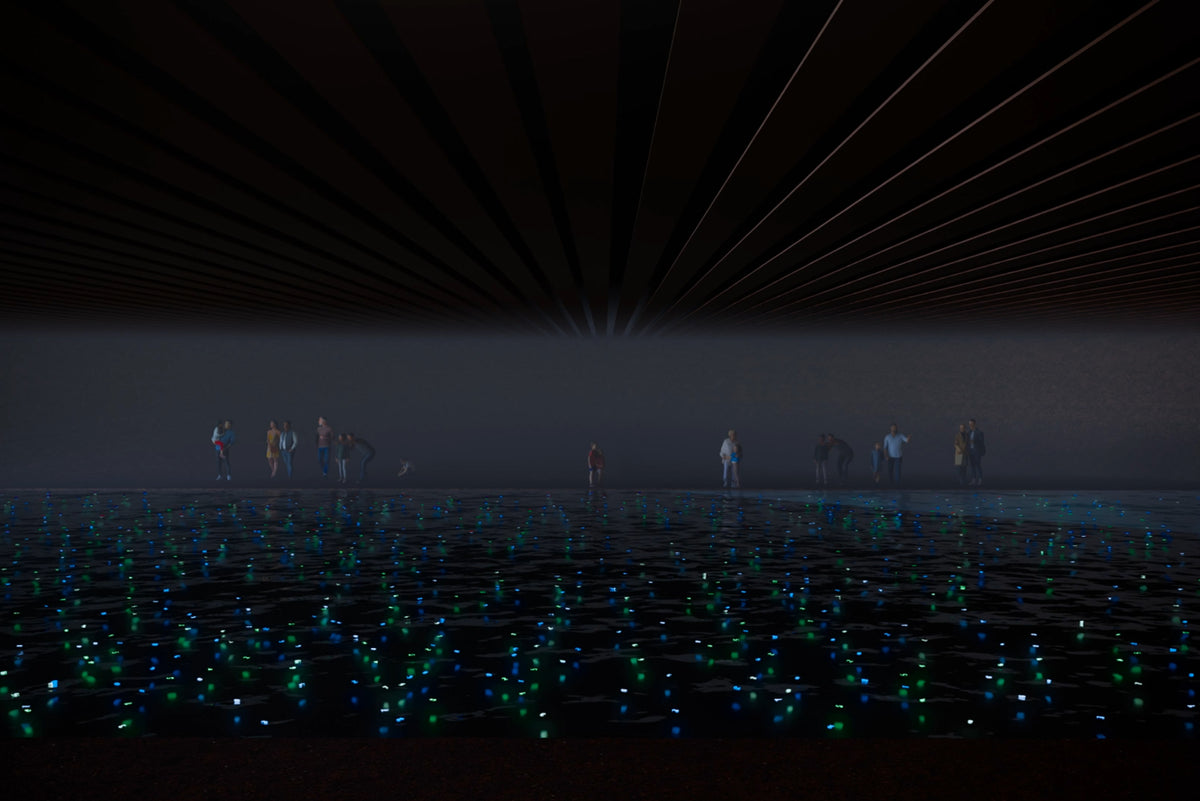
The planned site for the museum is on a hill overlooking the ocean in Tomioka Town, Fukushima Prefecture. This vast land, with an area of 36,744 square meters (approximately five soccer fields), boasts a rich natural environment where mountains meet the sea. As you move from the entrance of the site towards the ocean, the sound of waves gradually becomes audible, creating a beautiful soundscape gradient. This location is situated between the Fukushima Daiichi Nuclear Power Plant and the Fukushima Daini Nuclear Power Plant. In such a place, this museum is also an attempt to create a new cultural space open to the future, while confronting the memories and history etched into this land.
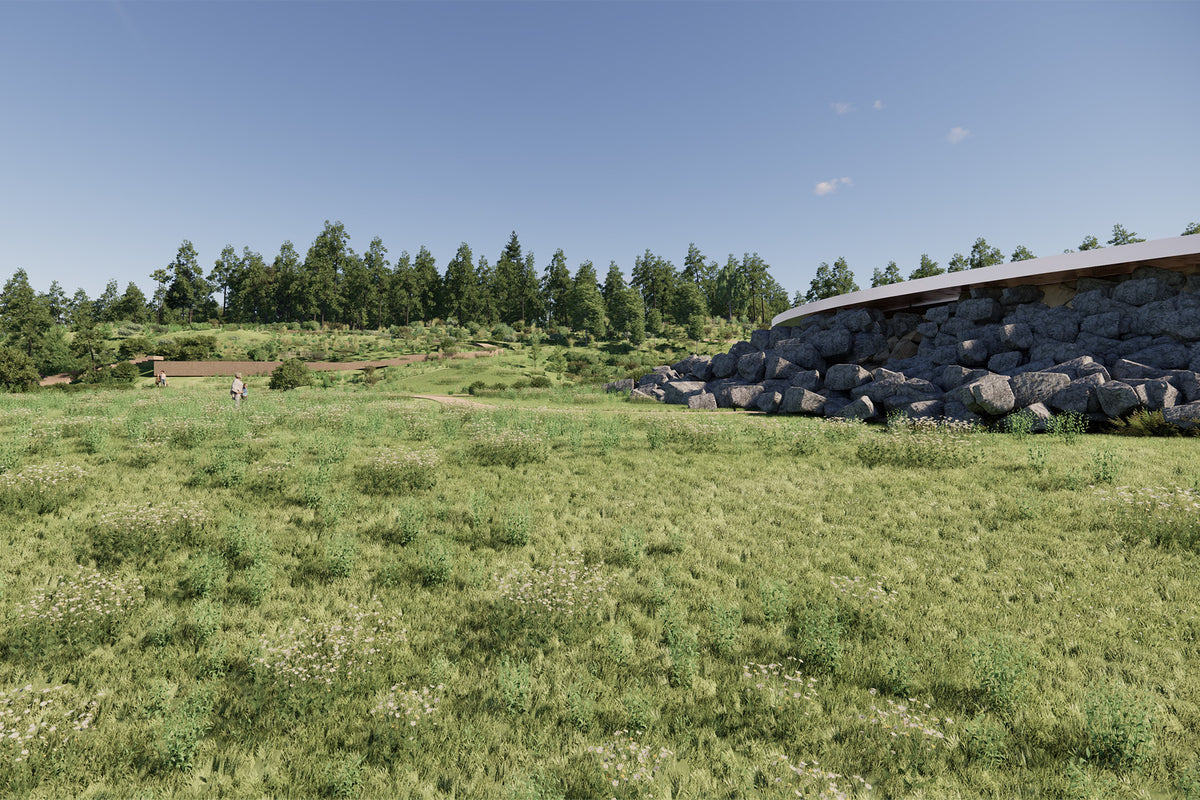
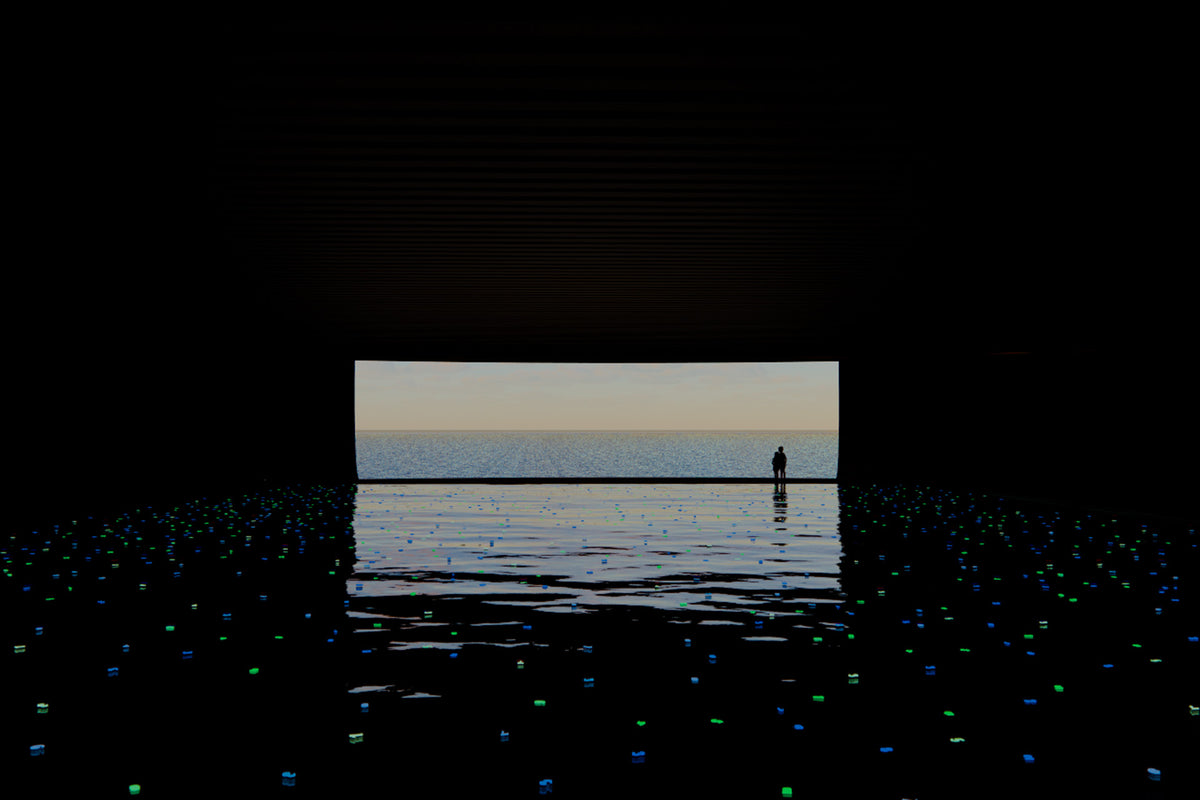
The museum's design is by architect Tsuyoshi Tane (ATTA - Atelier Tsuyoshi Tane Architects), who champions the concept of "Archaeology of the Future" – creating architecture from the memory of a place. The circular building, gently embracing the earth, will quietly resonate with the surrounding topography, integrating with nature to create a space where silence, sound, and art echo together. Here, people will be able to contemplate artworks while gazing at the horizon, and quietly reflect on life, time, memory, and the future.
This is a place where people living in Tohoku and those who care about Tohoku can always return, and a place to reconnect with the diverse experiences and memories of Fukushima and Tohoku.
The Sea of Time TOHOKU Museum aims to become a "living cultural hub" where intergenerational dialogue and new hope are fostered.
Project Summary
- Name :
- Sea of Time TOHOKU Museum
- Location :
- Tomioka Town, Futaba District, Fukushima Prefecture
- Land area :
- 36,744 m²
- Design :
- ATTA – Atelier Tsuyoshi Tane Architects
- Completion :
- Scheduled for 2029
About the logo for Sea of Time TOHOKU Museum
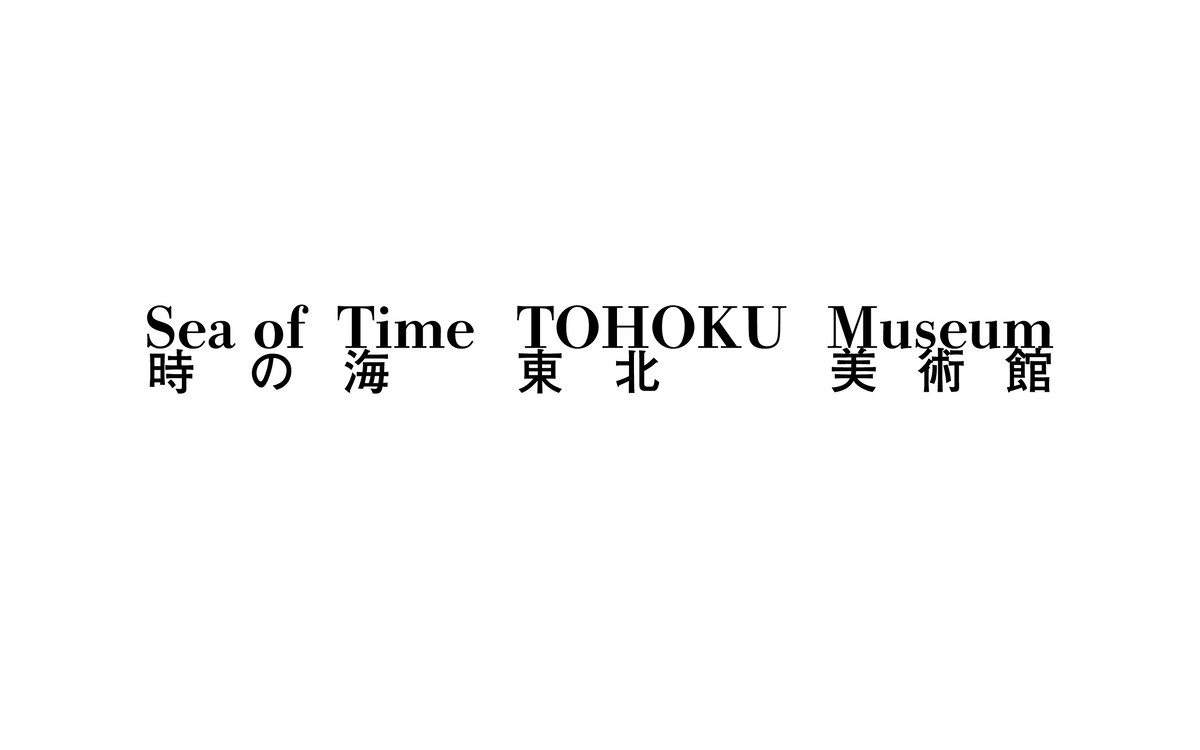
The visual identity (VI) plan for the museum is handled by graphic designer Rikako Nagashima (village®), who excels at mediating concepts and ideas and translating them into visual information.
The logo for "Sea of Time TOHOKU Museum" draws inspiration from the artworks that will emerge, the architectural space of the museum, and the Fukushima sea and sky that stretch beyond it. It also embodies the museum's aim: to be with and create alongside people with different values, and to continue to embrace diverse ideas and foster dialogue.
Various media to be produced in the future, such as architectural signage plans, web design, and brochures, will also be developed with the same design philosophy.
Logo Concept
The "Sea of Time TOHOKU Museum," established with the desire to honor the victims of 3.11, preserve the memory of the disaster, and collectively build a future, is also a place where people with different thoughts, opinions, backgrounds, and positions can connect.
There are various opinions and situations: people who experienced the disaster and those who didn't; people who lost loved ones or homes and those who didn't; people who know about the situation in Fukushima and those who don't; people who oppose nuclear power and those who support it; people who live here and those who don't. Between these two types of people, there are many gradations, and a complex landscape unfolds.
The logo for this place, where diverse people contemplate while looking at the same sea, places Serif and Sans Serif typefaces, and Japanese and English, side by side at the same size.
The blank straight line that appears between these two types of characters is like the horizon connecting the sky and the sea.
It is our hope that different things can coexist here with the sea, connecting both sides like the horizon, and becoming a place where boundaries blur.
Graphic Designer Rikako Nagashima
Profile
Tsuyoshi Tane
Architect

Architect. Born in Tokyo in 1979. He founded ATTA – Atelier Tsuyoshi Tane Architects and is based in Paris, France. Based on the concept of "Archaeology of the Future," which involves creating architecture from the memory of a place, he currently has numerous projects underway around the world, primarily in Europe and Japan.
His major works include the "Estonian National Museum," "Hirosaki Museum of Contemporary Art," "Alain Tane Collection Foundation Museum," "Vitra Garden House," and "Imperial Hotel Tokyo New Main Building" (scheduled for completion in 2036). He has received numerous awards, including the Chevalier de l'Ordre des Arts et des Lettres from France, the French Academy of Architecture's New Talent Award, the Estonian Cultural Endowment Grand Prix, and the 67th Minister of Education, Culture, Sports, Science and Technology Award for New Artists. His publications include "TSUYOSHI TANE Archaeology of the Future" (TOTO Publishing).
Atelier Tsuyoshi Tane Architects Official Website|https://at-ta.fr/
ATTA - Atelier Tsuyoshi Tane Architects Manifesto
Archaeology of the Future
I want to create architecture that no one has ever seen, experienced, or even imagined. But it's not a completely new, futuristic type of architecture; it's an architecture of the future that connects to the ancient past of a place—that's the extraordinary idea I have.
To achieve this, we begin by going back in time like archaeologists, unearthing the memories of a place. It's a process of discovery, where we encounter and are surprised to find things we didn't know, things we've forgotten, or things that have disappeared from the world today due to modernization and globalization. I believe that places have memories, and architecture can unearth those memories and connect them to the future.
I am currently thinking about architecture that carries on from the past to the future. I call it architecture of the future connected from ancient times, in other words, "Archaeology of the Future."
-
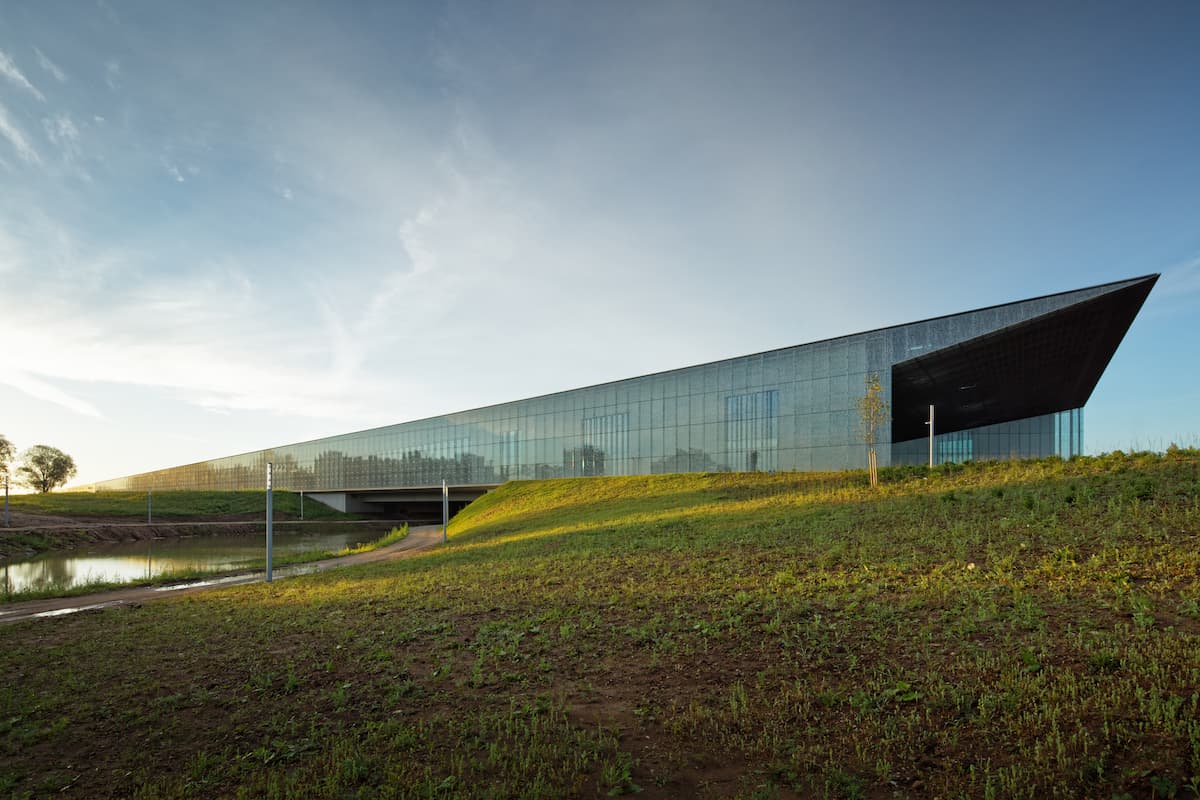
Estonian National Museum (2016) photo: Takuji Shimmura / image courtesy of DGT. -
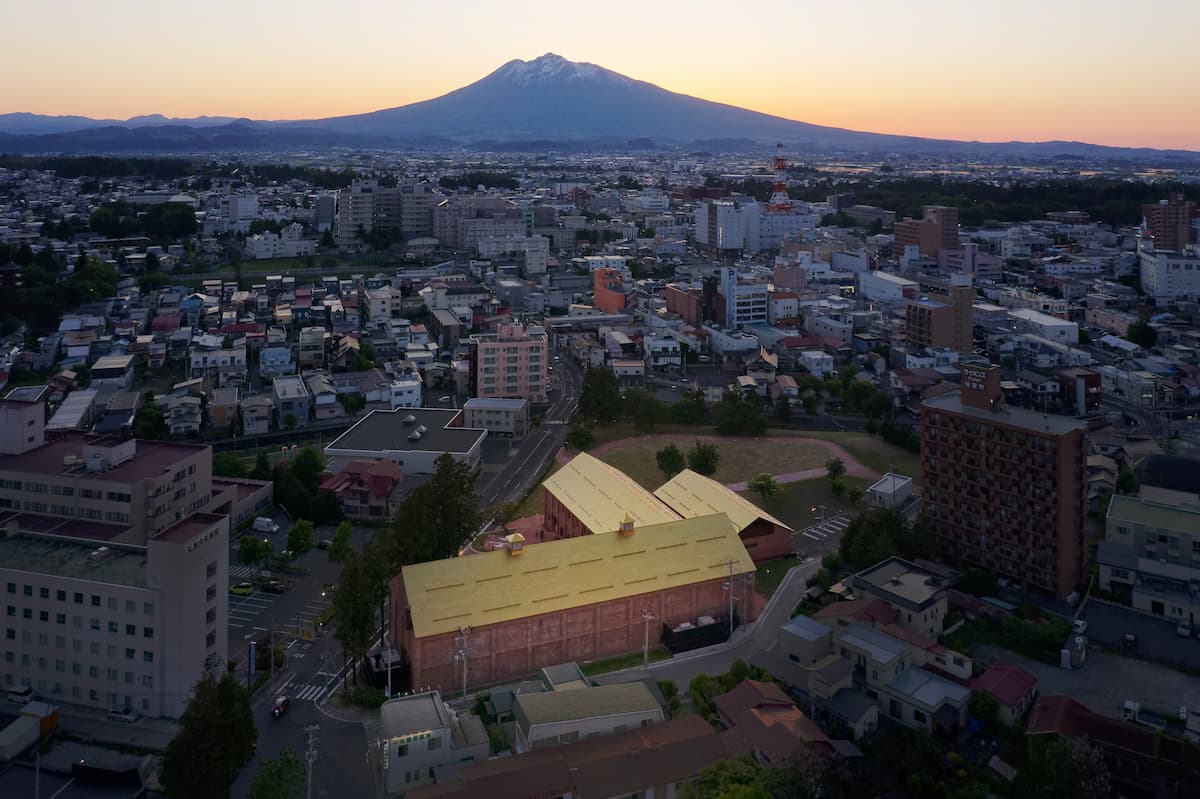
Hirosaki Museum of Contemporary Art (2020) photo: Daici Ano -
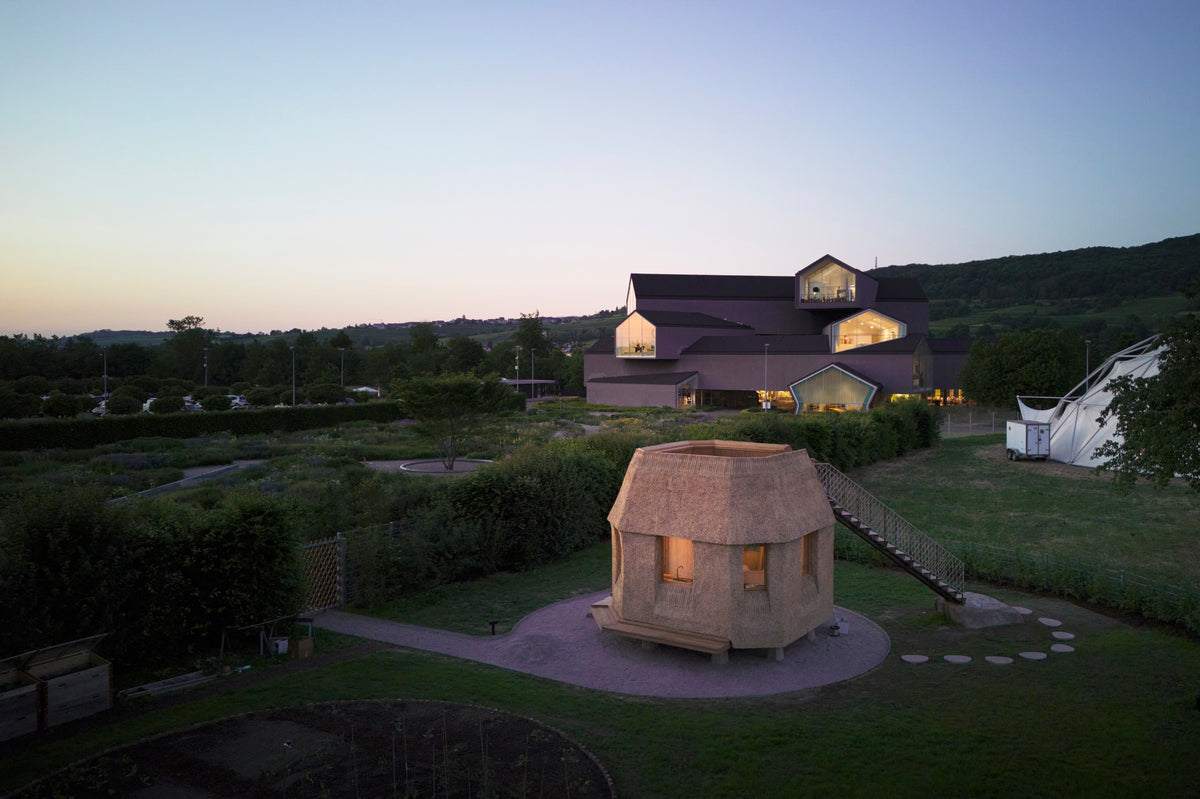
Vitra - Tane Garden House (2023) Photo: Julien Lanoo Courtesy of ATTA and Vitra -
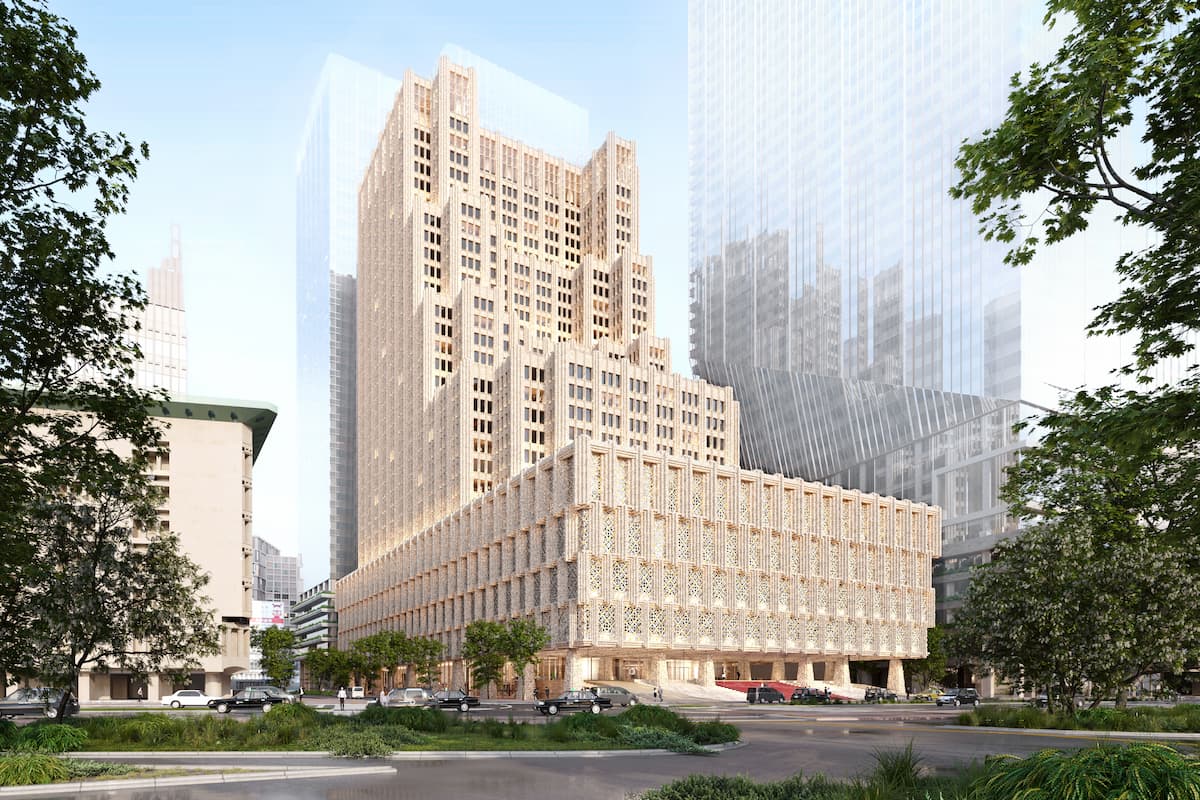
Imperial Hotel Tokyo New Main Building (scheduled for completion in 2036) ©ATTA - Atelier Tsuyoshi Tane Architects
Rikako Nagashima
Graphic Designer
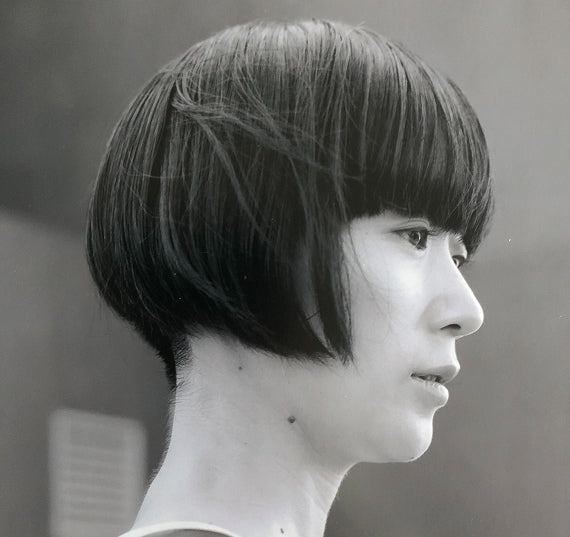
Graphic designer. Born in 1980. After graduating from Musashino Art University with a degree in Visual Communication Design in 2003, she established her own design company, village Inc., in 2013. She works primarily in graphic design, focusing on identity design, signage planning, book design, and spatial composition. She translates concepts and ideas into visual information, giving them color and form. She also consciously works to reduce the environmental impact of design by selecting and incorporating environmentally friendly materials and methods, acknowledging the potential environmental damage caused by design.
Her past works include "Sapporo International Art Festival 'City and Nature'" (2014), "Dojima Biennial" (2019), "Tohoku Youth Orchestra" (2016-), "Anish Kapoor: Dismantling the Notion" (2017), "David Lynch: The Empire of the Spiritual Frontier Exhibition" (2019), Pola Museum of Art's new VI plan (2020), Venice Biennale International Architecture Exhibition Japan Pavilion "Traces of Elements" (2021), "Ryuichi Sakamoto: Playing the piano 12122020" (2021), and Kvadrat "Irreversible Scale" (2024). Her book is "Just Before Color and Form" (Murahata Publishing/2024).
village® Official Website|https://www.rikako-nagashima.com/
-
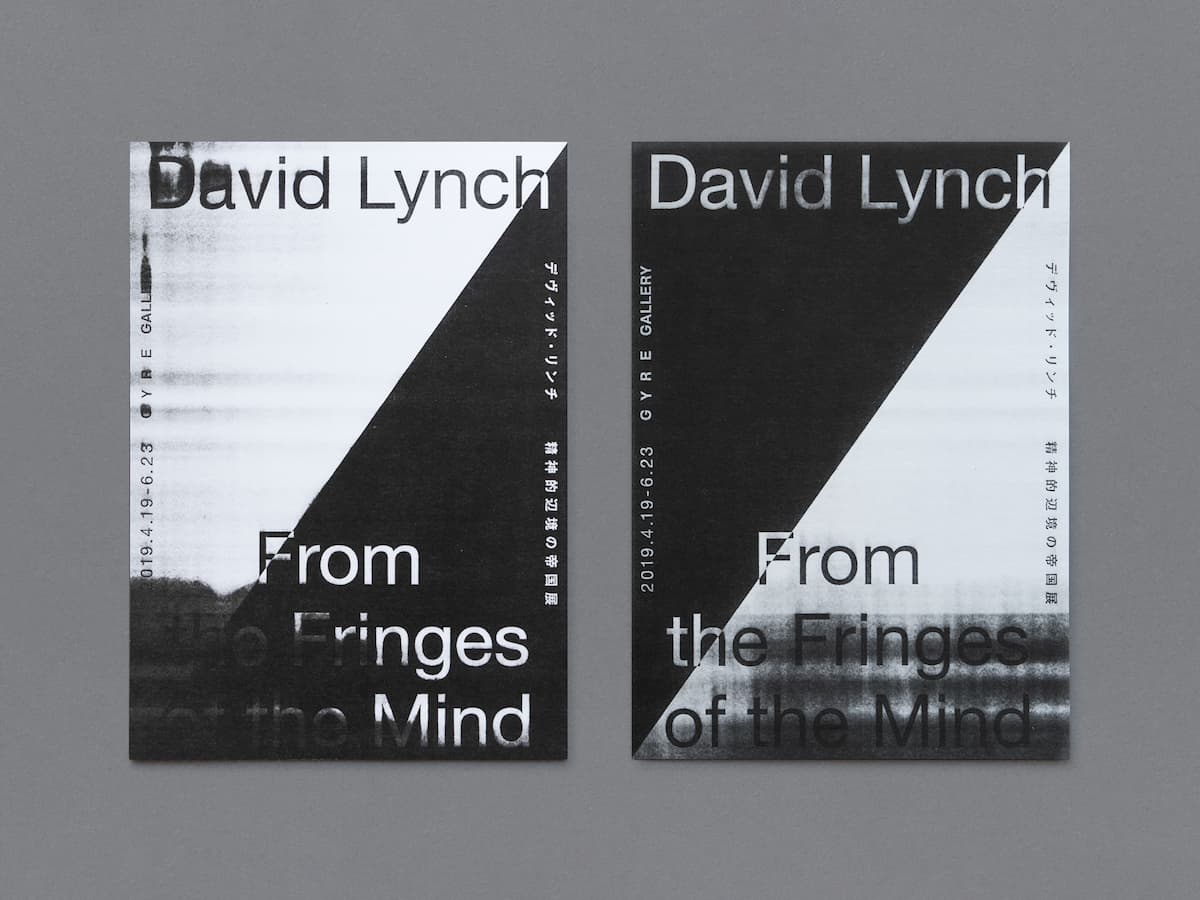
David Lynch: The Art of the Spiritual Frontier Exhibition (2019) Graphic Design and Installation -
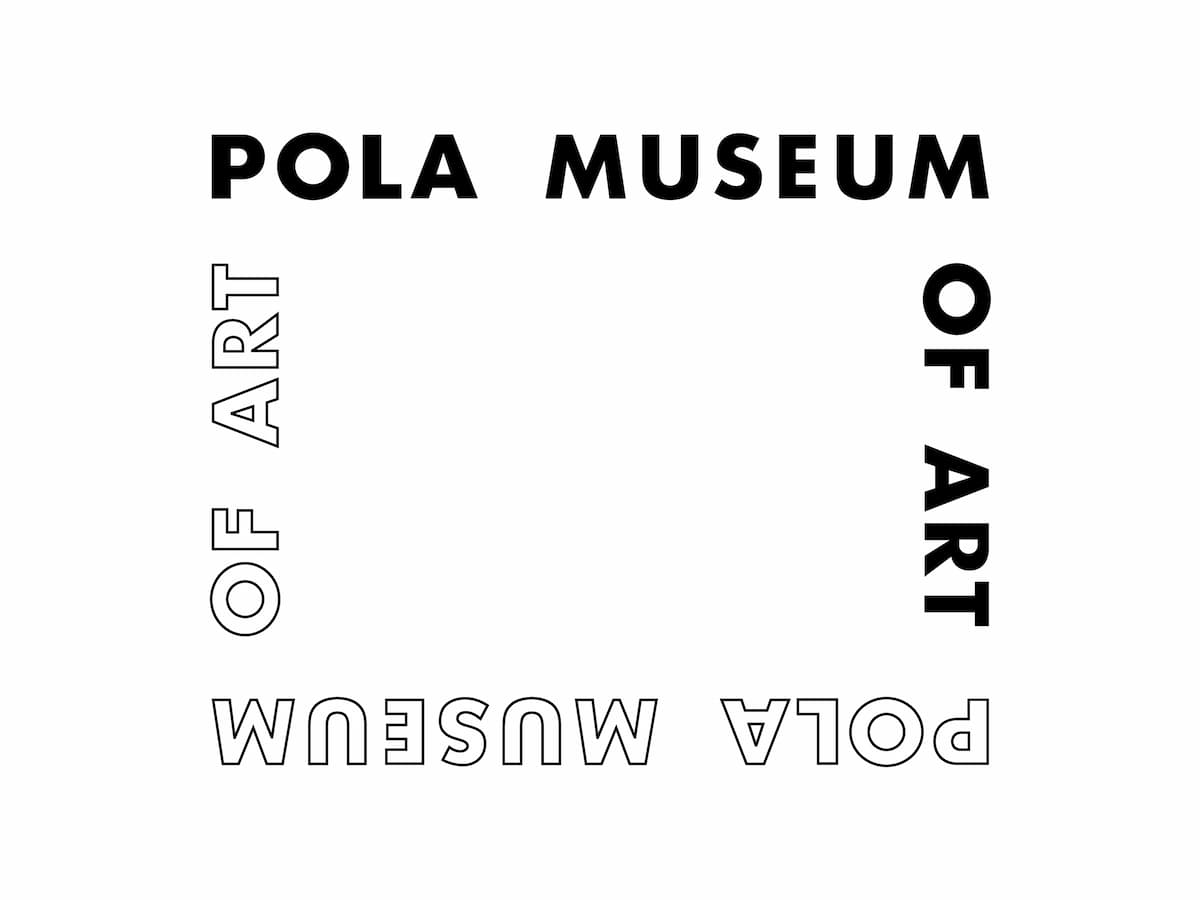
Pola Museum of Art VI Plan (2020) Logo Design and Museum Tool Design -
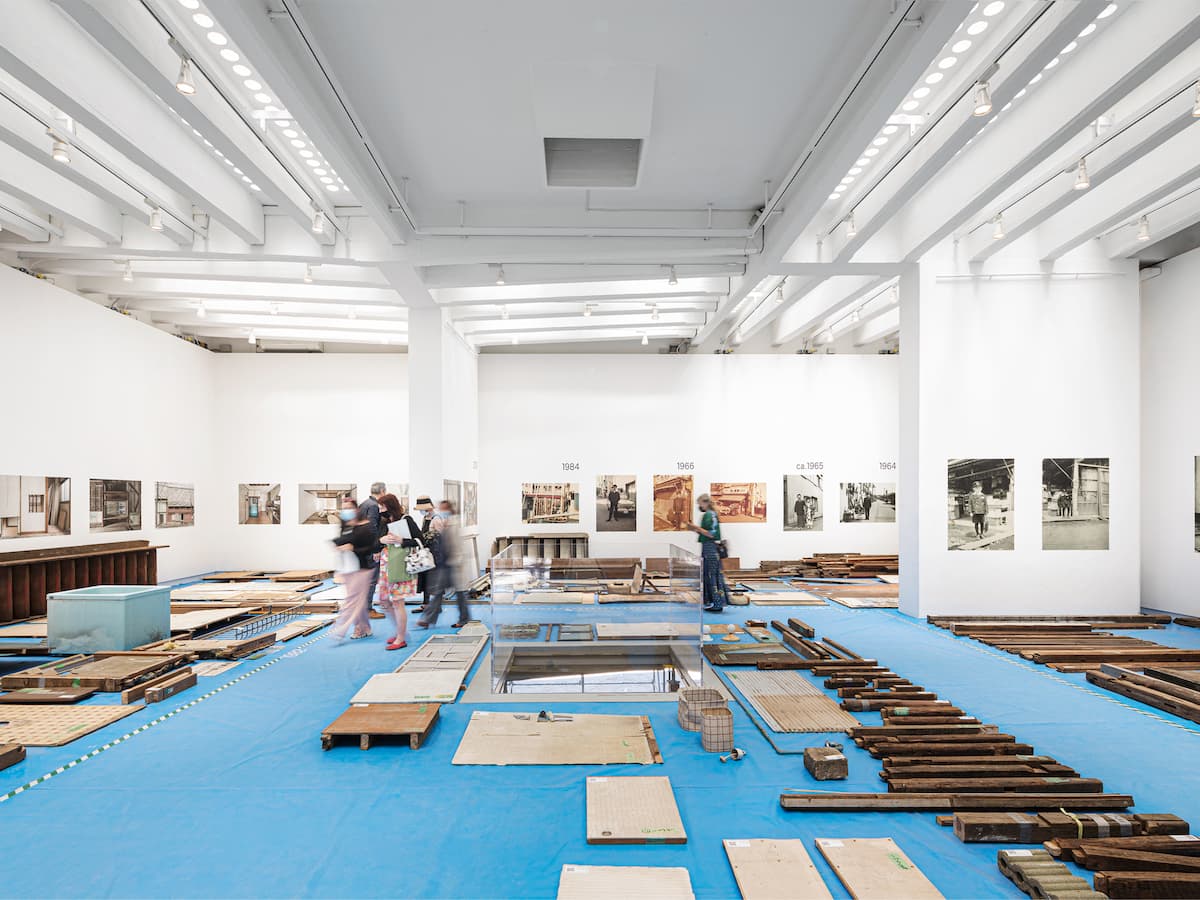
Signage and book design for "Traces of Elements," the Japan Pavilion at the Venice Architecture Biennale (2021) -
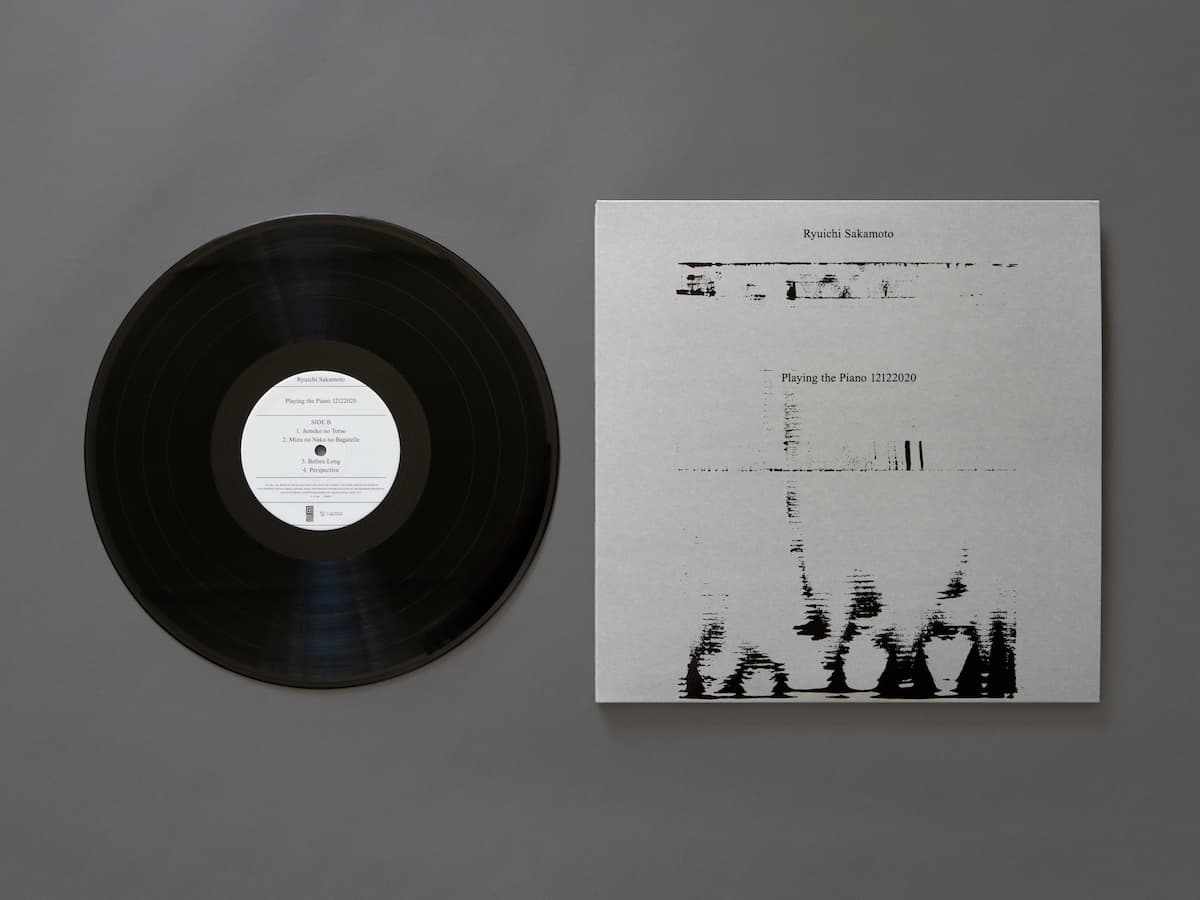
Ryuichi Sakamoto: Playing the Piano 12122020 (2021) Album Art -
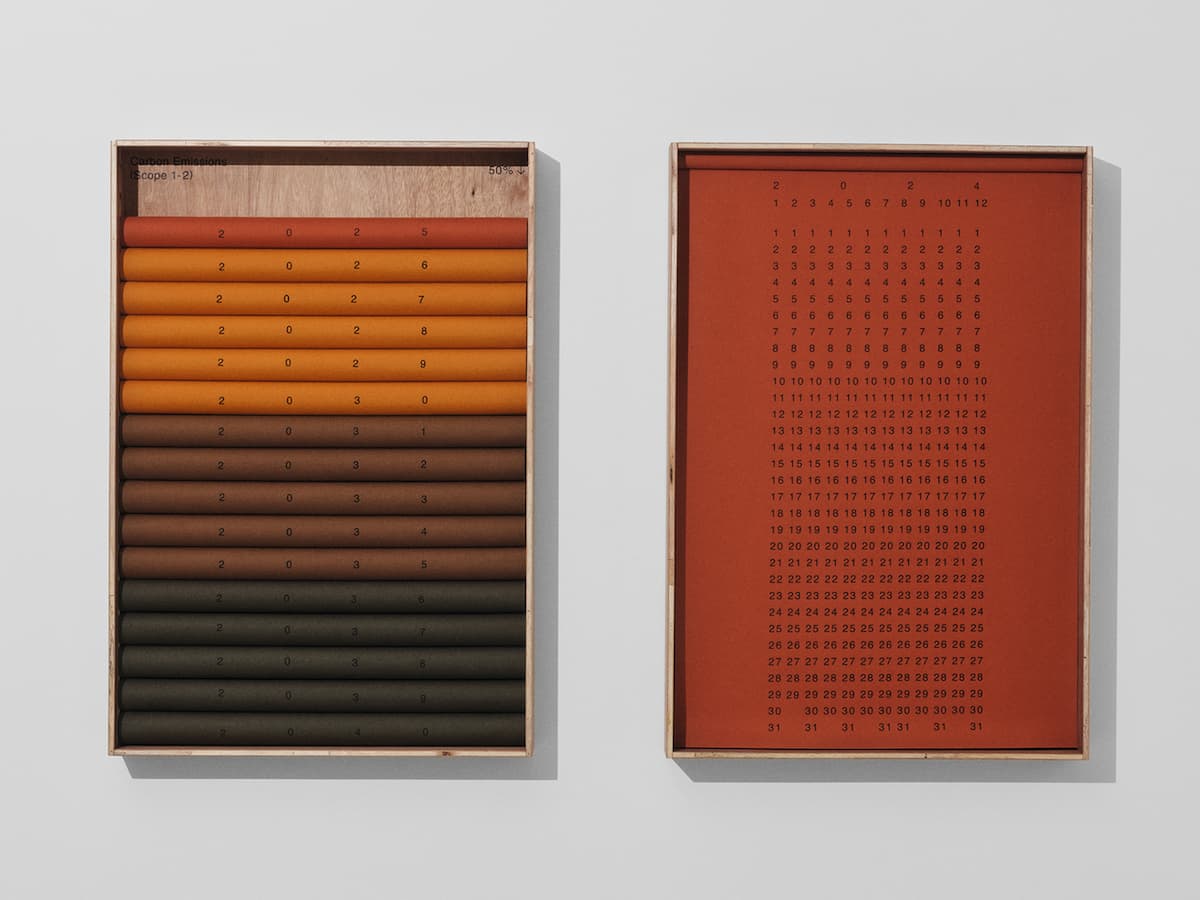
Kvadrat [Irreversible Scale] (2024) Product Design -
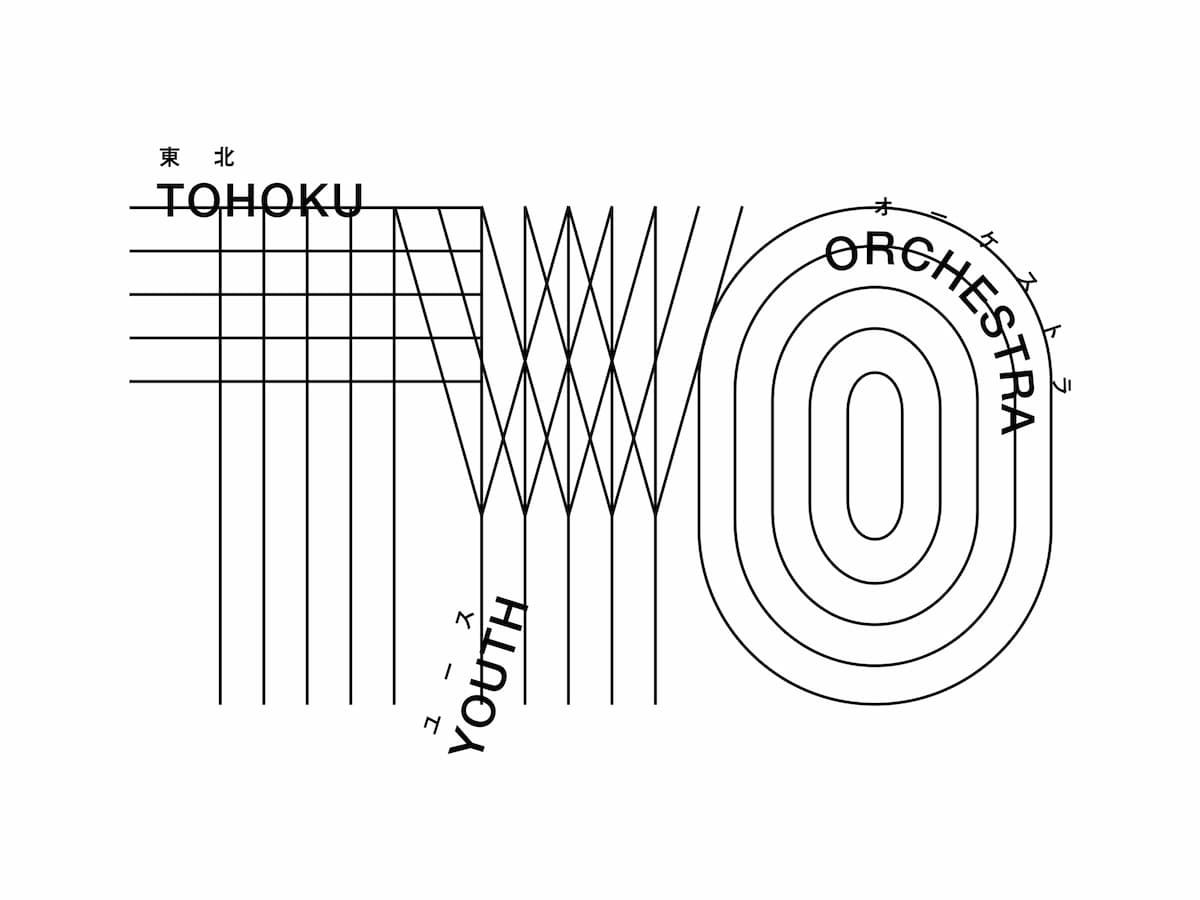
Tohoku Youth Orchestra (2016 - present) Logo design and graphic design for brochures and other materials
