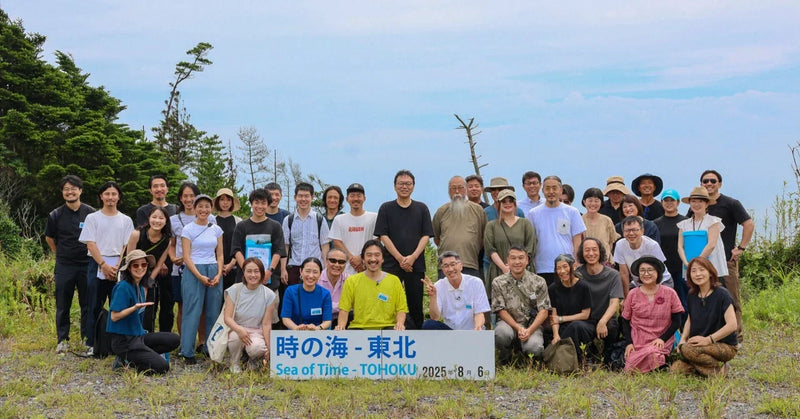
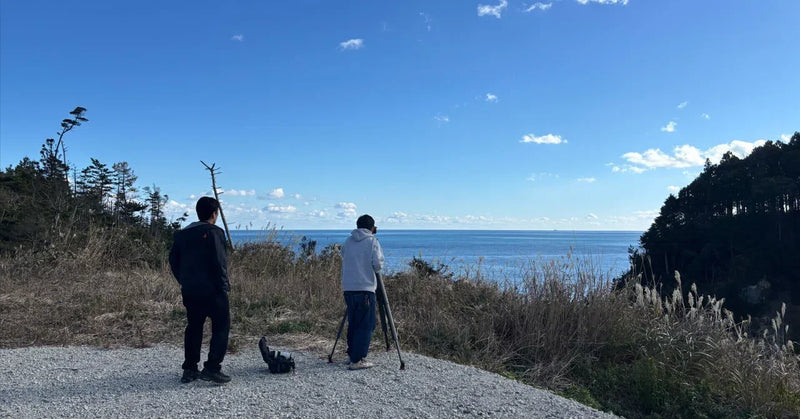
The "Sea of Time - Tohoku" project is being created by contemporary artist Tatsuo Miyajima, known for his digital counter works based on the concepts of "it continues to change," "it connects with everything," and "it lasts forever." This project, developed in collaboration with people living in Tohoku and those who care about the region, aims to commemorate the victims of the Great East Japan Earthquake and pass on the memories of the disaster.
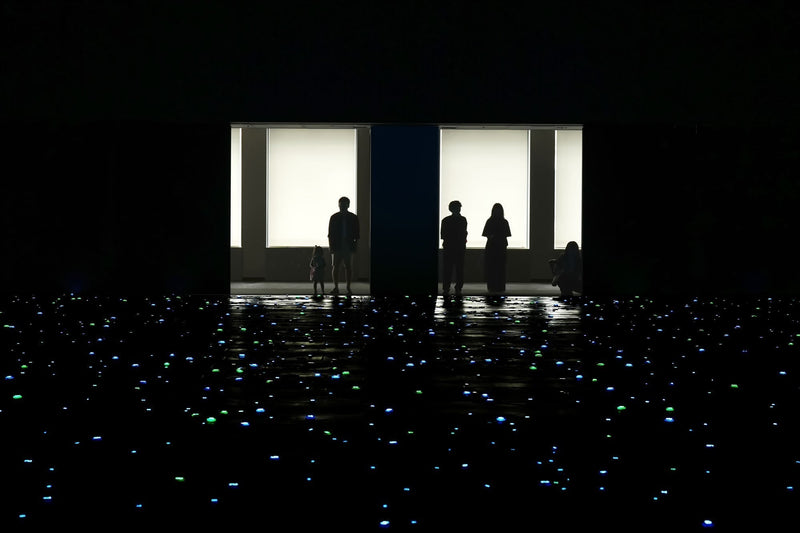
The artwork is envisioned as 3,000 LED gadgets, counting from "9 to 1," installed in a giant pool. 3,000 people are involved, and each participant can set the counting speed of their LED number to a time of their choosing. Through workshops held in various locations, the project is connecting with participants, with the goal of completing the artwork in 2027.
As of September 1, 2024, there are 2,567 participants.
In this article, Project Staff Emiko Nishizuka reports on the time setting workshop held on Sunday, September 1st, at the "Sea of Time - Tohoku" Project, Tatsuo Miyajima Office Co., Ltd. Tomioka Town Office (hereinafter referred to as Tomioka Town Office).
(Written and photographed by Emiko Nishizuka | "Sea of Time - Tohoku" Project Staff)
(Edited by Tae Kahara | "Sea of Time - Tohoku" Project Director)
First Time Setting at the New Base, "Tomioka Town Office"
On Sunday, September 1, 2024, despite concerns about Typhoon No. 10 until the previous day, the morning was sunny with lingering summer heat. This was the third time setting workshop in Tomioka Town, Fukushima Prefecture, following the one in July last year. The venue for this workshop was the "Sea of Time - Tohoku" Project, Tatsuo Miyajima Office Co., Ltd. Tomioka Town Office, which opened in April this year.
Similar to last year's workshop in Tomioka Town, this workshop also employed a participant-dialogue-based method for time setting. Furthermore, for the first time, a "dialogue workshop" slot was created to allow previous participants to join, challenging the creation of a new dialogue space through the production of the "Sea of Time - Tohoku" artwork.
From here, we will present a photo report of the time setting workshop, which was held in two parts: morning and afternoon.
*Photos are interspersed from both the morning and afternoon sessions.
 28 participants in the morning session set their times.
 The afternoon session had 29 participants in total: 22 for time setting and 7 for the dialogue workshop.
Viewing the Demonstration Artwork
At the Tomioka Town Office, a demonstration artwork is installed on the wall. Participants first view the work slowly, without any explanation about it.
 It was striking to see how the participants naturally became quiet as they focused on and thought about the artwork.
 How does it look when viewing the speed of each LED versus the entire artwork?
 There were also young children who did not know about the Great East Japan Earthquake.
Icebreaker: Interaction among participants
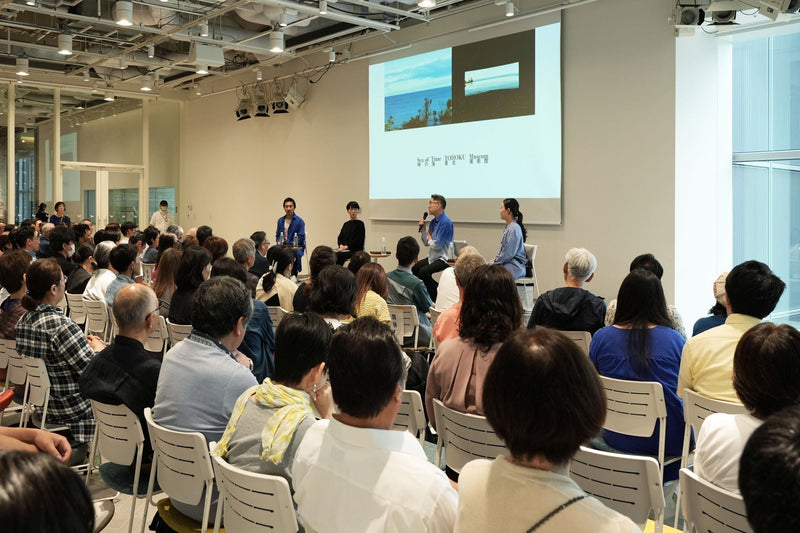
After viewing the artwork, participants divided into five groups for self-introductions and to share their impressions of the demonstration artwork. Familiar faces and new acquaintances alike chatted freely about their first impressions of the work and what they imagined while observing it.
 A time for participants to interact, led by a moderator.

 Each person shares their impressions of the artwork.
Miyajima talks about his past activities and artwork
 Contemporary artist Tatsuo Miyajima spoke about his past works and his experiences in Fukushima Prefecture after the Great East Japan Earthquake, using photos from that time.


 The participants also listened attentively.
Time setting begins
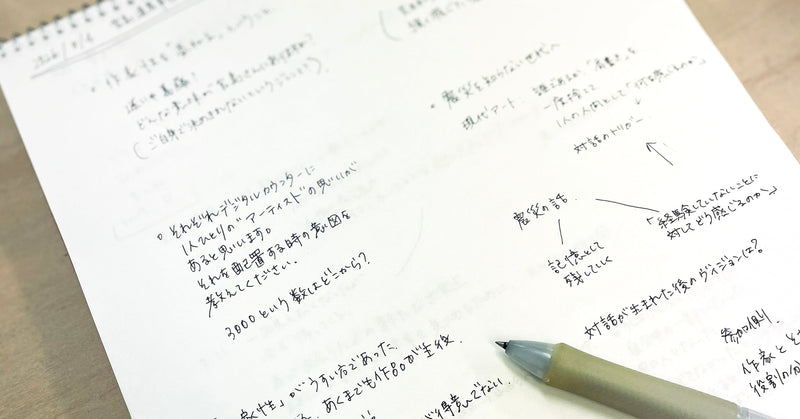
After Miyajima's talk, it's time to set the time. Participants can freely set their preferred number of seconds between 0.2 and 120.0 seconds. They also write down their thoughts and anecdotes associated with their chosen number of seconds on a worksheet.

 Some participants had decided on their time beforehand, while others took their time to think after hearing Miyajima's talk, demonstrating various methods and rhythms for time setting.
 Some participants also set their times while talking with their children.

 The youngest participant was 0 years old. The time setting workshop is open to all ages.
Time for Dialogue Among Participants
Once the worksheets are completed, participants gather again in their groups to share their chosen seconds and the thoughts and anecdotes behind them. In every group, participants listen attentively to each person's story, reflecting on the speaker's feelings and experiences. In this dialogue workshop, we respect the wishes of those who prefer not to share their chosen seconds or thoughts.
This time, too, we heard a variety of thoughts.
 Beautiful anecdotes elicited natural smiles.
 A family who participated together, and their dialogue with Miyajima.
 Some groups shared by showing each other their worksheets.
 Many participants were familiar with each other, and a peaceful atmosphere prevailed.
Sharing thoughts with the whole group
Finally, one representative from each group shared their chosen time and the thoughts behind it. The anecdotes varied, from seconds felt through past experiences to cherished memories with loved ones, anniversaries, and more.


 It was a time to receive the thoughts of each individual, including memories with loved ones and feelings for Tohoku.
Listening to the thoughts embedded in the numbers
Here are a few of the thoughts embedded in the chosen seconds by participants in the time-setting workshop.
112.7 seconds
3.11 + 8.16, Tohoku and me. The colors, scents, temperatures, and heartbeats of this land have been woven by its people. From now on, no matter where I breathe, I wouldn't be here without Tohoku.
(Born in 2001, female)
40 seconds
The number of staff members who died in the tsunami at the Ouchi Town Hall in Iwate Prefecture. Through stories of those who returned and those who I never met in life, I feel a kinship with them as if they were old friends.
(Born in 1966, male)
13.5 seconds
I was a university student during the earthquake, and I never thought I would be in Fukushima doing something like this now. So, I chose 13.5 seconds to represent the 13 years and 5 months from then until now.
(Born in 1991, female)
30.1 seconds
The license plate number of my parents' car during the earthquake. I felt love when I realized that it represented my own name.
(Born in 2003, female)
1.0 second
For the past three years, I've been unwell and hospitalized three times. I set this time with the desire to cherish the life given to me by my parents and to live the rest of my life firmly, one second (one step) at a time.
(Born in 1960, male)
Commemorative photo after the workshop
The workshop concluded with a commemorative photo session with all the participants.
In the morning, there were many university students participating. When I spoke to them, I learned that they were students involved in the Hamadori area through internships or university research, not only from Fukushima Prefecture but from all over Japan. As someone who is also involved in the "Sea of Time - Tohoku" project while conducting research for my master's degree, it was very encouraging to know that so many students are engaged with the Hamadori area.
The afternoon session saw participants of various ages, including young children who had no knowledge of the Great East Japan Earthquake. For the final commemorative photo, everyone shouted "Yeah!" in unison with the call of "Say cheese!" It was a very fulfilling time for both the morning and afternoon sessions.
It felt like time was being woven for the future of the children who are growing up and will live in this town. And as I received the precious thoughts of all the participants, it felt like Tohoku and Fukushima were taking another step forward.
Actually, this time, first-year students from Tokyo University of the Arts, Faculty of Music Environment Creation, who were "researching art projects collaborating with disaster victims after the Great East Japan Earthquake" as part of their class, also visited the venue. They conducted interviews about the "Sea of Time - Tohoku" project and set their times, and also helped with operational support during the afternoon workshop.
I would like to express my sincere gratitude again for their participation in the time setting workshop and their involvement in operational support.
 Participants from the morning session
 Participants from the afternoon session
Conclusion: The warmth of the people of Tomioka Town
I have been involved in the "Sea of Time - Tohoku" project since 2022. Exactly two years ago, when I was involved in a workshop at the Hara Museum ARC as an intern, I also wrote a workshop report. At that time, there were 1,516 participants in the time setting, but since then, more than 1,000 people have joined, and we are getting closer to our goal of 3,000.
Listening to the stories of the participants at this Tomioka workshop, I naturally thought of a cherished person whom I can no longer meet. This person loved the sea in Fukushima. Since my relatives lived in Iwaki City, Fukushima Prefecture, I used to visit Hamadori often with that person when I was little. I experienced the Great East Japan Earthquake when I was in the third grade of elementary school. When I visited after the disaster, I still remember how the town of Onahama, where I used to play, had changed significantly. Since then, I've wanted to be involved in Fukushima in some way when I grew up.
Later, I went to a junior college in Koriyama City, and I started visiting Hamadori more often. And now, starting this autumn, I've begun living in two places: Tomioka Town and Tokyo. I'm happy to be able to be involved in Tohoku and Fukushima in this way, living near the sea in Fukushima that that person loved so much. Since I started living in Tomioka Town, I feel the warmth of its people every day.
The dialogue time and sharing of participants' narratives in the "Sea of Time - Tohoku" project's time-setting workshop are also times to delve into one's own story while touching on the stories of others. I feel that these moments and the individual thoughts of each person are connected to the artwork "Sea of Time - Tohoku."
When the artwork is completed, I am sure the participants will recall their own feelings and the important stories of others.
The "Sea of Time - Tohoku" project will continue to move forward, step by step, towards the completion of the artwork at its new base in Tomioka Town.
(text by Emiko Nishizuka | "Sea of Time - Tohoku" Project Staff)