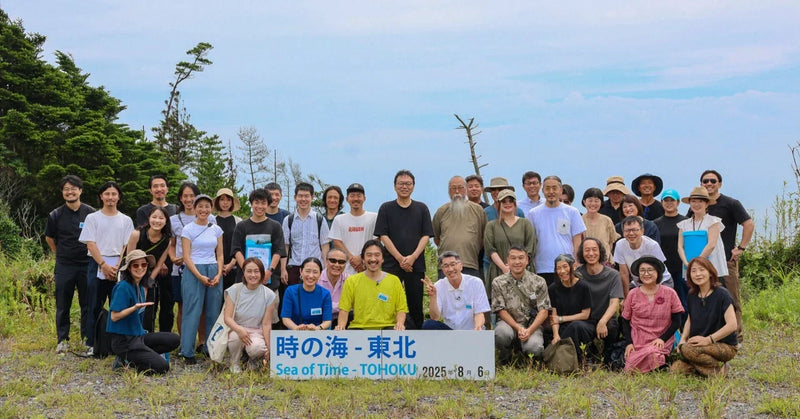
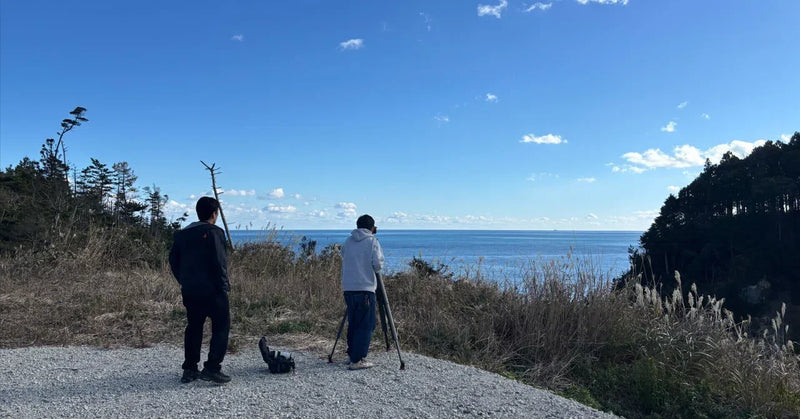
Based on the concepts of "It keeps changing," "It connects with everything," and "It continues forever," contemporary artist Tatsuo Miyajima, known for his works using digital counters, is creating the "Sea of Time - Tohoku" project. This project is a collaboration with the people living in Tohoku and those who care about the region, aiming to commemorate the victims of the Great East Japan Earthquake and pass down its memories.
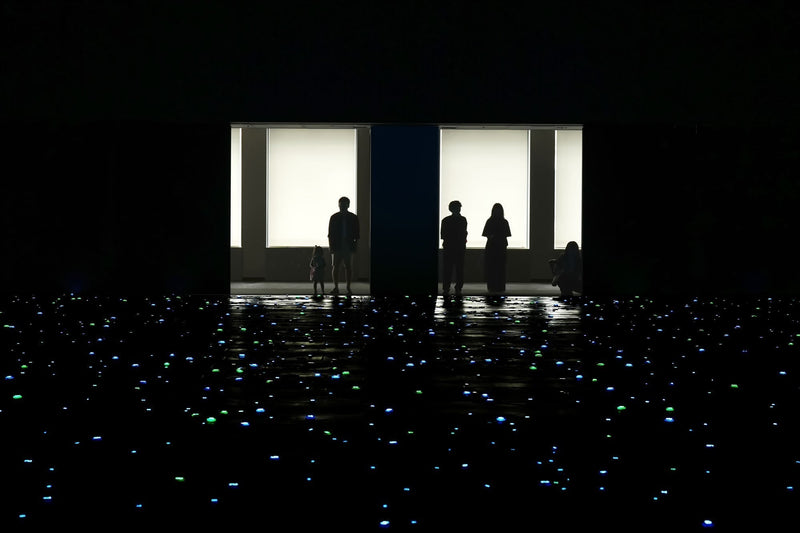
The artwork, envisioned to consist of 3,000 LED gadgets counting from "9 to 1" installed in a massive pool, involves 3,000 participants. Each participant can set the counting speed of their LED number to their desired time. Miyajima and his team have been holding workshops in various locations, meeting participants and working towards completing the artwork by 2027.
Currently, there are 1,665 participants (as of November 30, 2022).
This article reports on the workshops held in Kunisaki City and Beppu City, Oita Prefecture, in November, in two parts: Part 1 and Part 2. Part 1 covers the workshop held in the Jobutsu district of Kunisaki City.
(Written and edited by: Tae Kahara | "Sea of Time - Tohoku" Project Director)
(Photography by: Tomohide Tani)
Jobutsu District, Kunisaki City: A place of connection born from the Kunisaki Peninsula Art Festival
On November 12, Tatsuo Miyajima and our "Sea of Time - Tohoku" project team arrived at Oita Airport under clear autumn skies. Our destination was the "Jobutsu district" in Kunisaki-machi, Kunisaki City. In the Jobutsu district, Miyajima's work 'Hundred Life Houses,' which was exhibited at the "Kunisaki Peninsula Art Festival (2014)" held here eight years ago, is permanently installed. This work was also created with the participation of 100 people, including residents of the Jobutsu district.
In the Jobutsu district, there is a volunteer group called "Jobutsu Sakura-kai." They graciously provided warm hospitality to visitors from various regions during the art festival, supporting its operation.
The reason we were able to hold the "Sea of Time - Tohoku" project time-setting workshop in Kunisaki this time is largely due to the "Jobutsu Sakura-kai" members who cherished the connection formed with Miyajima and his work during the "Kunisaki Peninsula Art Festival."
Due to infection control measures, the workshop in the Jobutsu district was limited to residents of Kunisaki City, and a total of 39 people, from children to adults, participated.
The members of "Jobutsu Sakura-kai" welcomed us back as usual with "Welcome home~"
 "Welcome home~," "It's been a while" — our cheeks softened at the reunion after several years.
 "Welcome home! Welcome!" — the mothers warmly greeted us.
 "First, let's eat lunch~" —
We recharged with a meal prepared by the mothers using local ingredients!

Receiving such warm hospitality somehow reminds me of the "Kunisaki Peninsula Art Festival."
The Kunisaki workshop finally begins!
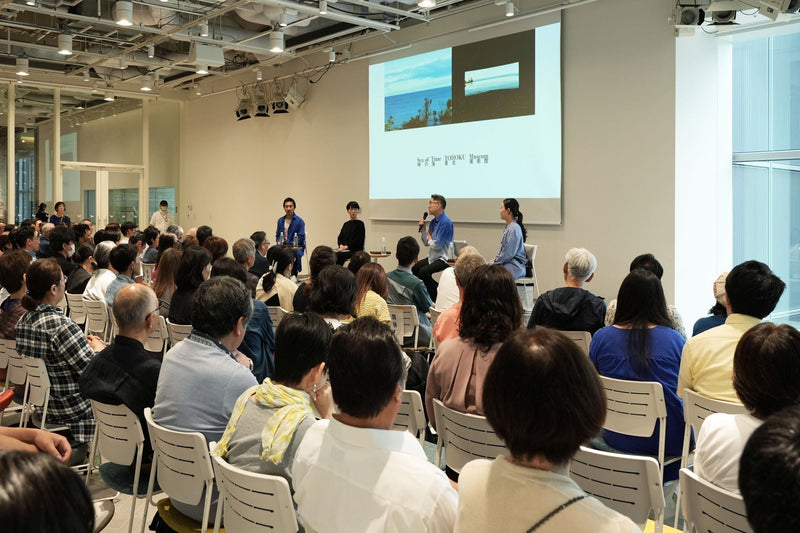
 First, as usual, Miyajima explained
the background of how he conceived the "Sea of Time - Tohoku" project.


 It was impressive to see children, who weren't even born at the time of the disaster,
listening intently to Miyajima's story.
Deciding on a number that is meaningful to oneself

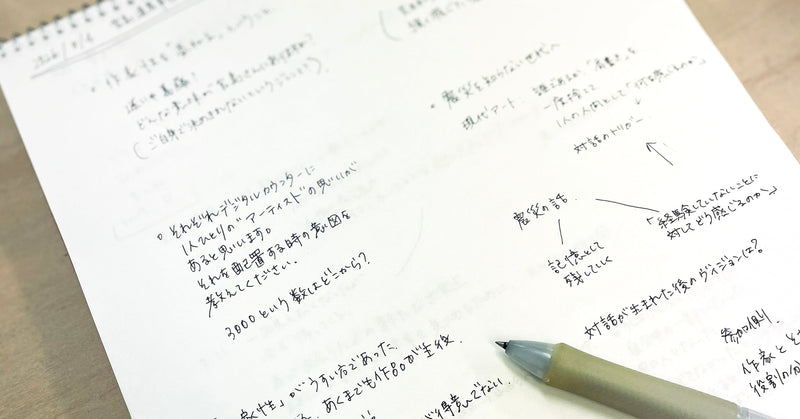
After sharing the background of the "Sea of Time - Tohoku" project and the artist's thoughts, it was time for each person to set their own time. Reflecting on various feelings and discussing with family and siblings, each participant chose their own "number (seconds)." Watching everyone fill out their worksheets with deep emotion, it felt as if the richness of each person's story was slowly overflowing, and I felt an even stronger desire to fully receive and acknowledge their stories and feelings.


Engaging in dialogue through numbers and individual thoughts
We went to those who had completed their time settings and listened to the chosen numbers and the anecdotes and thoughts associated with them.
 "Have you decided on your time setting? I see, so that's the feeling you put into it"—
It's a wonderful time to hear what children have perceived and imagined.

 The time setting continued, as old memories also bloomed in conversation.
 While looking at the actual LED gadget,
dialogue naturally began with questions like "So, 3 seconds is this rhythm?" and "How many seconds should I choose?"

 Sometimes, strong emotions well up when they share their stories.
In the time-setting workshop, moments unfold where joyful and happy emotions, sad and lonely emotions, and indescribable feelings, such individual thoughts accumulate.
Reading someone else's thoughts aloud.
This time, with the participants' permission, I tried something new: I read aloud the seconds and episodes that everyone chose, sharing them with all the participants in the venue. As I read, the participants listened intently, and spontaneous applause erupted when I finished.
It was a moment when the imagination that someone else in this venue, just like me, was thinking of a loved one or recalling past experiences to decide on a single number, gently filled the entire space.
Here are a few of the seconds and episodes we received from everyone.

0.8 seconds
The speed of my heart now. I want to enjoy living, be grateful for living, cherish the present. I want to keep that feeling.
(Born in 1987)
1.4 seconds
It's just right and normal, and I don't rush. 1.4 seconds is easy to remember and it's my favorite number.
(Born in 2015)
120 seconds
In May 2011, with large ships stranded on land, I went to Iwate for a fisheries and aquaculture reconstruction project. The powerlessness of humanity I felt then is still unforgettable. However, even in such desperate times, I strongly felt the "strength" of the people in the affected areas, including the resilient fishermen who lived positively. Even if we are powerless against nature, I chose 120 seconds to signify a slow, steady progress, out of respect for the tenacity of the people in Tohoku who advance step by step.
(Born in 1985)
10.7 seconds
This was when I was 10 years old, in July, and my grandfather passed away, marking my first experience with death. What I remembered then was that a person's true death comes when they are forgotten by everyone. I want to live each day remembering those who have passed away, for as long as I am alive.
(Born in 1999)
120 seconds
When I feel stuck or want to calm my mind or find an answer, I come and stand before this art. My mind feels calm and I feel like I gain strength. I'm always busy, out of breath, and the count is fast, so I want to slow down this speed and make it a calming place.
(Born in 1976)
0.2 seconds
I want to live the rest of my life a little faster, with a sense of accelerating.
Regarding Tohoku: On the day of the earthquake, my son was 7 months old. That was the trigger for me to boldly leave Tokyo, where I lived at the time, and after wandering around various places, I now live here in Kunisaki. So, in a way, Tohoku is a starting point for me.
(Born in 1977)
10.2 seconds (towani - forever)
Because I believe it's important to never forget (towani) and to always have a feeling of closeness. It means not forgetting even as time passes, and passing it on to the next generation. I'm glad I could participate.
(Born in 1993)
※ The description of the episodes respects the writer's expression, including punctuation and spacing.

After the workshop, viewing 'Hundred Life Houses'
Afterward, we took a group photo with all the participants, and those who wished joined us to see the artwork in Jobutsu.

 We walk a little way up a mountain path.
 A light gradually appeared in the distance.
 100 "small houses" installed on towering rock formations
and the light of LED numbers blinking at various rhythms spread out before our eyes.
 We checked the condition of the Jobutsu artwork, completed years ago, while admiring it. It's in very good condition, which shows how much it's treasured by the Jobutsu district and Kunisaki City.
 Miyajima explained the creation process of 'Hundred Life Houses' at that time.
 Even children seeing the Jobutsu artwork for the first time.
 With the participants of the first workshop.
 With the participants of the second workshop and the members of Jobutsu Sakura-kai.
To everyone who participated, to the members of Jobutsu Sakura-kai, and to NPO BEPPU PROJECT, thank you very much!
The next day, we held a workshop in Beppu. The report on that will continue in the latter part of the report.